
Staircase Renovation and Installation in Nottingham
Lace City Joinery covers staircase renovation and installation across Nottingham, serving West Bridgford, Mapperley Park, The Park, Wollaton, Beeston, and the wider Nottingham area.
A staircase in a period property is more than functional. In Victorian villas, it is a significant architectural feature. In 1930s semis, renovation is one of the most impactful single improvements.
- Full staircase replacement for extensions and loft conversions
- Staircase renovation: handrail, balustrade, tread replacement
- Period staircase repair and restoration
- Spindle and newel post replacement
Call to discuss your staircase project.
How Lace City Joinery Works
Lace City Joinery connects Nottingham homeowners with a trusted local joiner. Tell us about the job and we’ll match you with the right joiner for your area — one we know and rate.
From the first site visit to the written quote, the work, and the guarantee that backs it, everything is handled directly between you and your joiner. We make the introduction and stay on hand; they do the work and stand behind it.
Why Choose Lace City Joinery
Renovation First
Your joiner restores, not replaces, where the staircase structure is sound. Less expensive and often the right result.
Period Expertise
Your joiner sources and matches period-appropriate profiles for Victorian and 1930s staircases.
Building Regulations
Your joiner manages regulations for all new installations in extensions and loft conversions. Lace City Joinery also covers skirting and architrave.
Full Scope
From creaking tread repairs to full new staircase installation across all property types.
Speak to a staircase renovation specialist today
Staircase Renovation Versus Replacement
When to Renovate
When the structure is sound but individual elements have deteriorated. Replacing spindles, fitting a new handrail, replacing worn treads, or fixing creaking.
Cost Advantage
Renovation is considerably less expensive than replacement. In a period property, it often produces the better result by restoring what was already there.
When to Replace
When the structure is beyond economic repair, a new staircase is needed for an extension, or the client wants to change the configuration entirely.
Extensions and Loft Conversions
New staircases required where a loft conversion creates a new floor. Your joiner designs and installs, coordinating with the structural engineer. See the house extensions page.
Your joiner advises on renovation versus replacement at the survey visit.
Nottingham Properties: Staircase Character
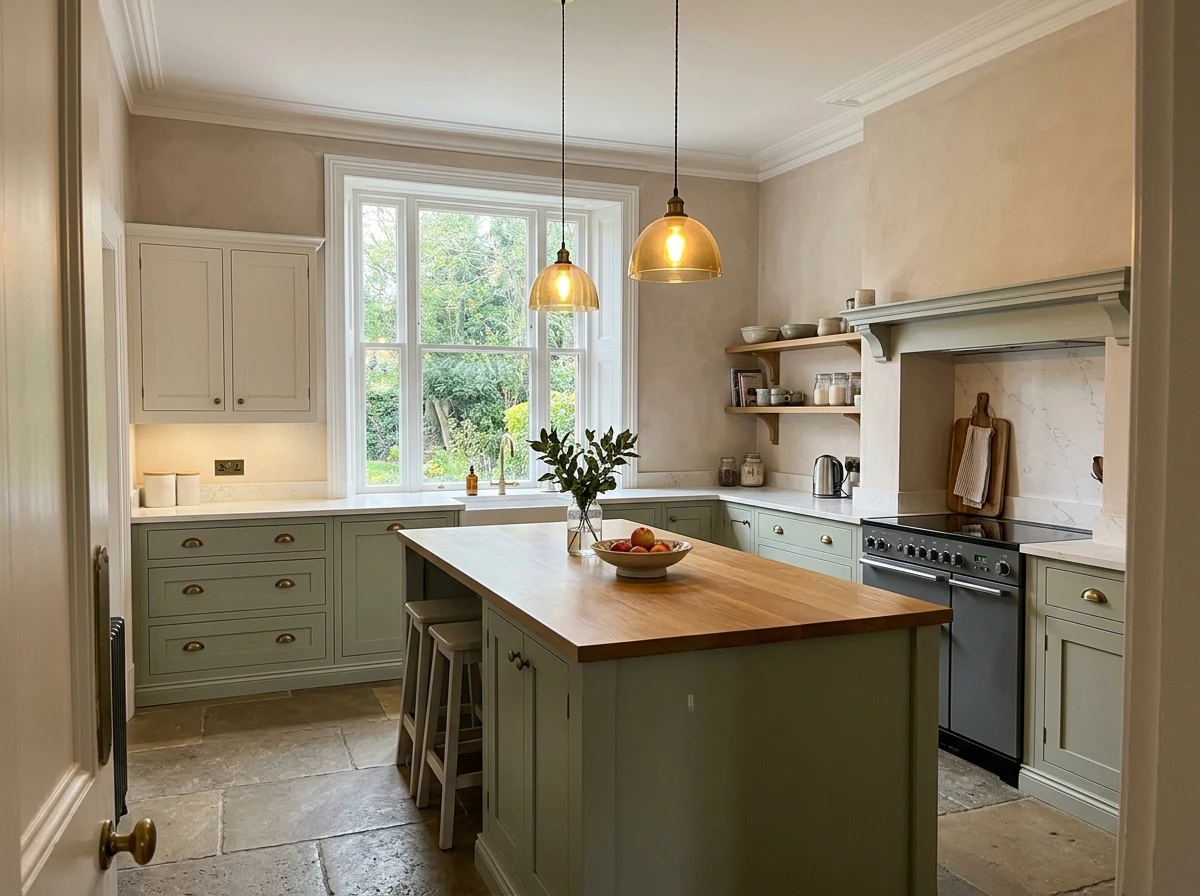
The Park and Mapperley Park (Victorian)
The centrepiece of the entrance hall. Solid timber strings, turned newel posts, turned spindles, and timber handrail. Rarely need structural replacement. Renovation is the most common brief.
West Bridgford (1930s Semis)
Straight-flight closed-string staircase with square-section newel. Many have had pine spindles replaced with cheap softwood. Upgrading to oak spindles with matching handrail transforms these staircases.
Wollaton (1930s–60s Detached)
Larger properties may have more elaborate staircases. Split-level entrance halls where the staircase is the first thing a visitor sees.
New Build Properties
Replacing a chipboard-and-white-spindle staircase with oak treads, spindles, and handrail. One of the most popular briefs in Beeston, Clifton, and Long Eaton.
Creaking Treads
Treads can creak as timber dries or housing joints loosen. Your joiner secures treads from below where access permits, or refixes from above with fixings covered by the tread nosing.
Book a staircase survey today
Staircase Costs in Nottingham
Estimates only. Every property is different. Call for a precise quote.
Staircase Renovation (1930s Semi)
Handrail, spindles, and newel post: £1,800–£4,500.
Oak Tread Overlay
New build upgrade with new spindles and handrail: £3,000–£6,000.
Period Restoration
Victorian property in Mapperley Park or The Park: £2,500–£6,500.
New Staircase Installation
For loft conversion or extension: £5,000–£12,000+. Creaking tread repair: £80–£200 per tread.
Budget a 10% contingency for older properties where substrate condition is confirmed only once existing elements are removed.